
Reviewed · CHOCOLATE TOURS
Project Chocolat Tree to Bar Tour at Hotel Chocolat Saint Lucia
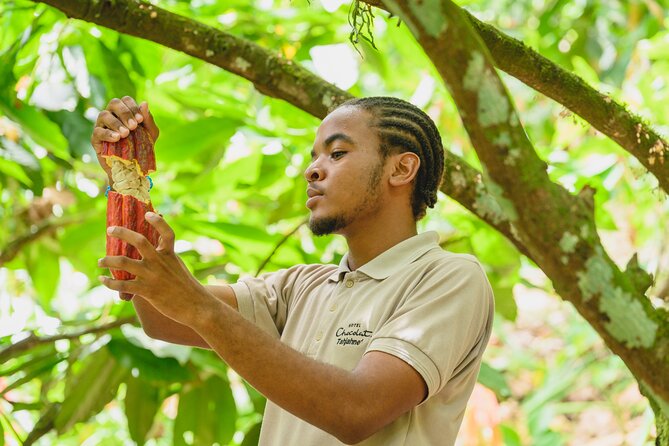
The best part of Project Chocolat is that you see cacao before it becomes a polished chocolate bar. You walk through rainforest groves, taste cacao straight from the pod, then put in real work to make your own bar. I especially like the farm-to-food connection and the chance to learn grafting rather than simply watch a factory demonstration.
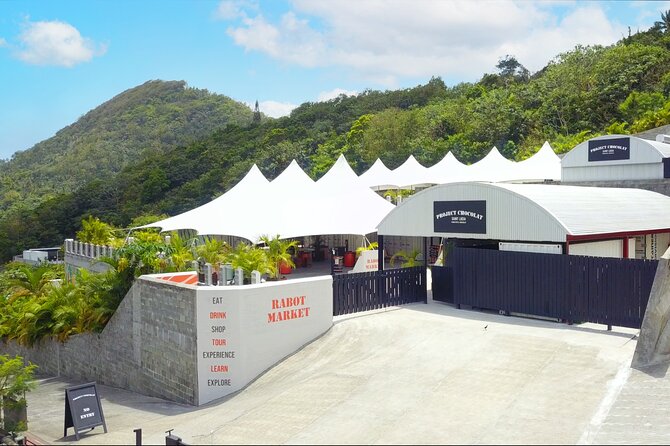
I also like the setting. Rabot Estate looks toward the St. Lucia UNESCO World Heritage area, and the lunch gives you time to enjoy the property instead of rushing straight back to your hotel. Guides including Nathan, Tahj, and John are praised for mixing useful information with humor.
The main caution is distance and timing. Transportation is not included, and reaching the estate can take a long time from some parts of the island. Arrive early: missing the cacao grove walk may mean waiting for the chocolate-making session instead of catching up with the group.
Key points to know before you book
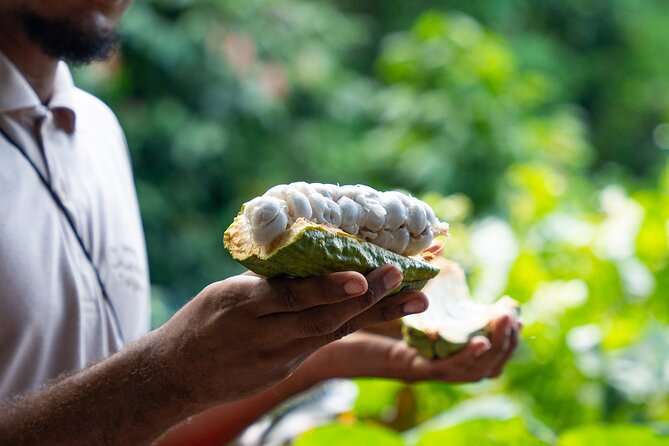
- You taste cacao in its natural form: The fruit from the pod is very different from the chocolate most people know.
- You make a dark chocolate bar by hand: Grinding the cacao takes effort, so this is more active than a simple tasting.
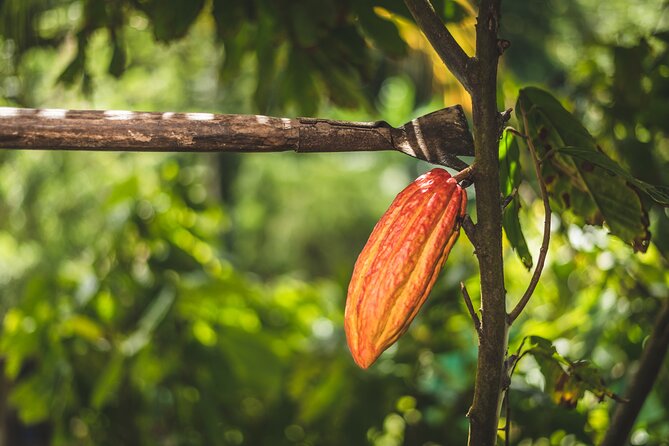
- The rainforest walk adds real context: You learn how cacao grows, is harvested, and is grafted.
- Lunch is included: Expect a market-style meal with cacao-inspired choices and dessert.
- The setting is part of the value: Rabot Estate offers rainforest views toward a UNESCO World Heritage Site.
- Plan around the location: There is no included transportation, and the experience lasts about two and a half hours.
Seeing cacao before it becomes chocolate
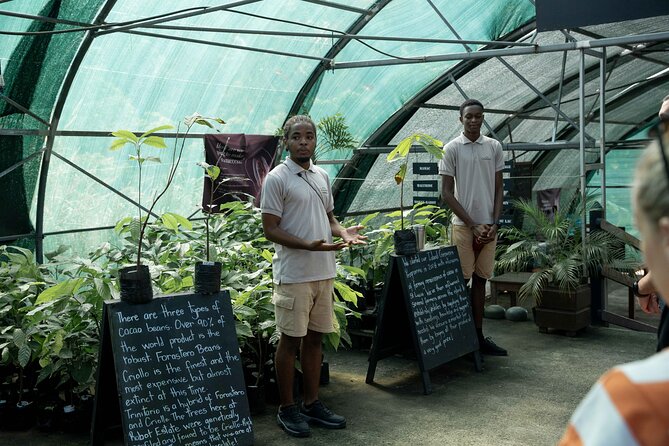
Project Chocolat sits at Rabot Estate near Soufriere, in a rainforest setting where cacao trees grow among other tropical plants. That location matters. Instead of hearing a short talk inside a shop, you begin with the source itself: the trees, pods, nursery work, and growing conditions.
The walk takes you through the cacao groves while your guide explains how the crop is cultivated and harvested. You may also learn about grafting, a practical part of keeping cacao trees productive. The tour is not only about sweets. It gives you a clearer idea of how much care comes before the beans reach a chocolate maker.
This is also where the physical side begins. The path is in a rainforest setting, and the tour information asks you to have a moderate level of fitness. Wear walking shoes, bring patience for warm weather, and expect the ground and conditions to feel more natural than manicured.
The staff has useful touches for the heat. Water, umbrellas, and cool peppermint-scented towels have been provided during the experience. Those details do not change the length of the walk, but they make a warm outing easier to handle.
The cacao tasting is one of the most interesting moments because it resets your expectations. Fresh cacao from a pod does not taste like a familiar chocolate bar. You get a direct lesson in how the fruit, beans, nibs, and finished chocolate differ.
More cocoa estate and chocolate-making days:
- Hot Chocolate Tours St. Lucia
★ 5.0 · 240 reviews - Project Chocolat Bean to Bar Experience from Hotel Chocolat
★ 4.5 · 107 reviews - Private Chocolate Making Class
★ 4.5 · 22 reviews
The guide makes the rainforest walk work
The quality of this visit depends heavily on the guide. Nathan is praised for his humor and clear explanations, while Tahj is noted for keeping the group engaged and making the information entertaining. John has also led visitors through both the gardens and the chocolate-making stage.
That range of names is useful because it tells you what kind of guiding to expect: not a silent walk through trees, but a talk that connects cacao with the wider rainforest. Guides may point out plants and explain more than just the chocolate crop. The best moments come when the information feels connected to what you are seeing and tasting right then.
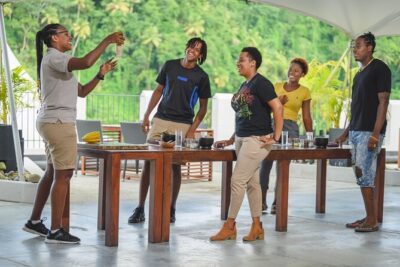
The group can be as large as 50 people. That is worth considering if you prefer a quiet, private visit. A larger group can create a lively mood, but it may also mean standing around during demonstrations or having less personal time with the guide.
Arriving on time matters more than it might on a casual garden visit. One late arrival was not allowed to join the cacao grove portion and had to wait for the chocolate-making session. If the grove walk is one of your main reasons for booking, treat the stated start time seriously.
Grinding your own chocolate bar
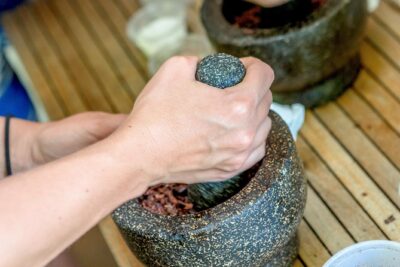
After the grove walk, the tour moves to the hands-on chocolate session. Here you make your own bar rather than simply choosing toppings for a pre-made slab. The process includes grinding cacao, and several people found that it required more elbow grease than expected.
That effort is part of the point. You feel the work involved in turning cacao into something smooth enough to eat. The session gives you a better sense of the traditional process and the steps between bean and bar. It can be messy and tiring, but it is also the part most likely to stay in your memory.
The workshop is guided, so you are not left to guess what to do. The instructors are described as friendly, funny, and patient, with Marina also receiving praise for leading an engaging session. Families with older children can find this especially enjoyable, but the official age limit is 8 years and up.
One important detail: expect dark chocolate. If you mainly eat milk chocolate, the flavor may be more intense and less sweet than you prefer. Even so, the process can still be worthwhile because the fun comes from making the bar, not only from eating it.
The finished bar needs time to settle before you take it away. That waiting period fits neatly with lunch, so the schedule does not feel like dead time.
Lunch with cacao on the menu
Lunch is included, and it is served in a market-style format at the estate. Reported choices include a Cacao Burger, cacao beer-battered fish and chips, local produce, chicken roti, cacao barbecue chicken wings, plantain chips, and cacao macaroni. Dessert can include the soft-serve Ice Cream of the Gods.
The meal is a useful part of the experience because it gives you a chance to sit, cool down, and enjoy the setting after the walk and workshop. The views are a big reason to linger. You can also order cacao drinks, cocktails, or cacao beer at your own expense.
Food quality seems less consistent than the guiding and chocolate session. Some meals, particularly chicken roti and the cacao barbecue wings, have been singled out as excellent. Other diners found the lunch ordinary or felt the menu was limited. The ice cream has also been served very cold, so it may need a little time before it is easy to eat.
I would treat lunch as a welcome included meal rather than the sole reason to pay for the tour. If you have strict dietary needs, the supplied information does not spell out special menus, so ask the provider before booking.
Same corner of the island, a completely different day out:
- St. Lucia Land and Sea Tour
★ 4.5 · 1,730 reviews - ATV Tour in St Lucia
★ 5.0 · 1,021 reviews - St Lucia Customize Private Island Tour
★ 4.5 · 619 reviews - St Lucia Full-Day Catamaran Sightseeing Cruise With Snorkeling
★ 4.5 · 592 reviews
The estate views and the final shop
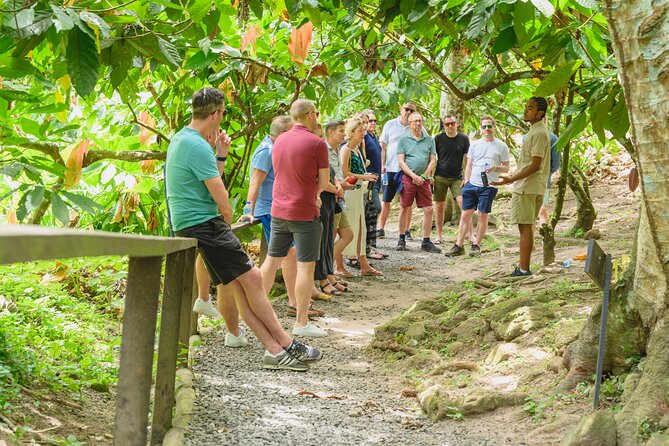
Rabot Estate provides much of the atmosphere. You are eating and making chocolate in a rainforest setting with views toward a UNESCO World Heritage Site. That backdrop gives the activity more character than a chocolate class held in an ordinary indoor room.
The final stop is the onsite shop. You can buy chocolate, food, and alcoholic drinks at your own cost. This is handy if you want gifts or a reminder of the experience, though purchases are not part of the $124 price.
The setting also gives the tour appeal beyond chocolate fans. Garden lovers may enjoy the plants and hummingbird houses, while people interested in sustainable food production get a closer look at how cacao is grown. You do not need to be an expert in chocolate to appreciate the walk.
Is $124 a fair price?
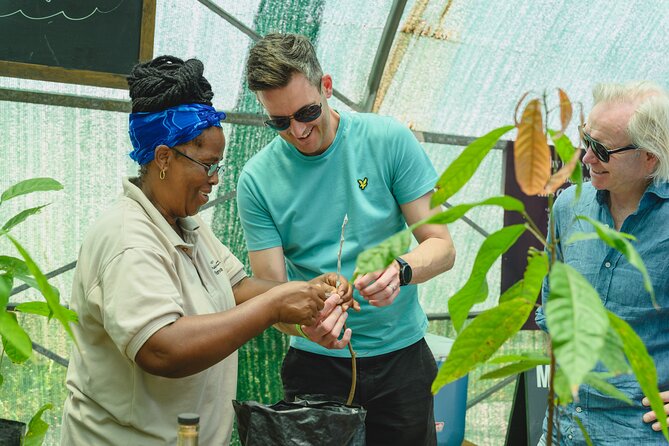
At $124 per person, this is not a cheap lunch outing. The value depends on how much you want a guided, hands-on activity rather than a simple plantation visit or restaurant meal.
The price includes the cacao grove tour, chocolate-making workshop, and lunch. You are paying for a roughly 2 to 3 hour program, staff instruction, tastings, the chance to make a bar, and time at a well-known estate. The included meal helps the price make more sense, especially if you would otherwise pay separately for lunch in Soufriere.
I think the cost is easiest to justify if you value three things: learning how cacao grows, doing the work yourself, and spending time in a striking rainforest setting. It is harder to justify if you expect a long production tour, a large amount of finished chocolate, or a gourmet meal as the main event.
The experience also suits a special occasion. One birthday visit included extra attention from the staff and became a memorable day. That does not guarantee special treatment, but the format has enough hands-on activity and scenery to make it feel more distinctive than a standard meal or tasting.
Getting there and planning your time
Transportation is not included, so you need to arrange your own ride to Project Chocolat on the unnamed road in Malgretoute, St. Lucia. This is the most important practical detail for many visitors.
The trip can be long from some resorts, including Sandals properties. Traffic can add more time, and one late arrival lost the plantation portion of the experience. Build in a generous buffer rather than aiming to reach the meeting point at the exact start time.
The activity returns to the meeting point when it ends. It lasts about two and a half hours, though the official estimate is 2 to 3 hours. Add driving time, especially if you are planning another fixed appointment, a cruise departure, or a dinner reservation.
Good weather is required. If poor weather cancels the activity, you will be offered another date or a full refund. The experience also requires a minimum number of participants, with a new date, another experience, or a full refund offered if that minimum is not reached.
Free cancellation is available up to 24 hours before the start time. Changes or cancellations made inside that 24-hour window are not accepted for a refund.
Who will enjoy this most?
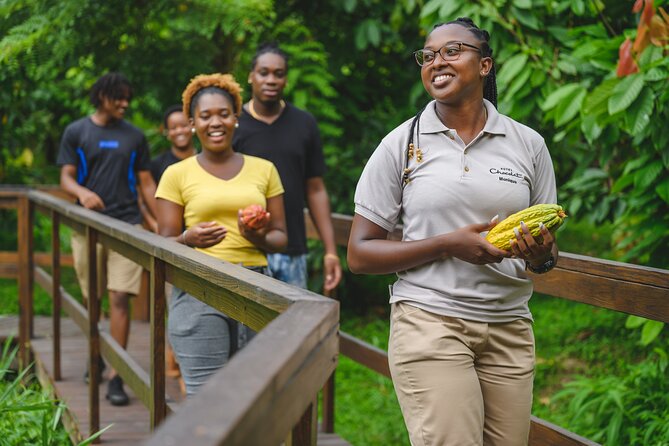
I would choose this for people who like food with a story. You see the crop, taste it in an early form, learn how it is handled, and then make something yourself. That chain makes the visit more satisfying than a tasting alone.
It also works well for families with children aged 8 and older, couples looking for a shared activity, and anyone who wants a break from beaches and hotel time. The walk, workshop, lunch, and views give the day several different parts.
You may want to skip it if you dislike dark chocolate, have limited mobility, want a very short outing, or do not want to arrange a long drive. It may also disappoint you if you expect a luxury restaurant meal or a large factory-style tour.
The group size of up to 50 means this is a social experience. If you prefer a private lesson, ask about available options before paying. The official information does not promise a private group.
Should you book Project Chocolat?
Yes, if you want a practical look at cacao farming and enjoy making food with your own hands. The rainforest walk, pod tasting, grinding session, lunch, and estate views create a full half-day plan, not just a quick chocolate sample.
I would book it with two conditions. First, arrange transportation carefully and arrive early. Second, set your expectations around the meal and chocolate style: this is hands-on dark chocolate production with a casual cacao-themed lunch, not a polished milk chocolate tasting or fine-dining event.
For the right person, the $124 price buys a memorable connection between St. Lucia’s rainforest and its chocolate culture. If that sounds better than simply buying a bar in a shop, Project Chocolat is a strong choice.
FAQ
How much does the Project Chocolat Tree to Bar Tour cost?
The listed price is $124 per person.
How long does the experience last?
The activity takes approximately 2 to 3 hours, with the itinerary describing about 2 hours and 30 minutes.
What is included in the tour?
The price includes the Tree to Bar cacao tour, the chocolate-making experience, and lunch.
Is transportation included?
No. You must arrange your own transportation to Project Chocolat in Malgretoute, St. Lucia.
Can children join the experience?
Children under 8 years old are not permitted. The stated minimum age is 8.
Where does the tour begin and end?
It starts at Project Chocolat, Rabot Estate, on the unnamed road in Malgretoute, St. Lucia. The activity ends back at the meeting point.
What is the cancellation policy?
You can cancel up to 24 hours before the start time for a full refund. Cancellations or changes made less than 24 hours before the start time are not accepted for a refund. Poor weather or failure to reach the minimum group size may lead to a new date, another experience, or a full refund.
Just added around St Lucia
- UVF Private Luxury Transport Service in St Lucia (Round Trip)★ 5.0 · 10 reviews
- St Lucia Transport from Hewanorra Airport Private Transfer★ 5.0 · 5 reviews
- Private Guided Piton Hiking and Mud Bath Experience★ 5.0 · 5 reviews
- iRide Caribbean 50cc Scooter Rental★ 5.0 · 18 reviews
- Hewanorra Airport Private Transfers (UVF)★ 3.5 · 3 reviews
- Fast Track On Arrival at St Lucia Airport & Round Trip Transfer★ 5.0 · 24 reviews
- Hewanorra (UVF) Private Airport Transfer (one way)★ 5.0 · 6 reviews
- Treetop Canopy Adventure★ 4.5 · 8 reviews
Chocolate Tours, compared.

Project Chocolat Bean to Bar Experience from Hotel Chocolat
Read our review →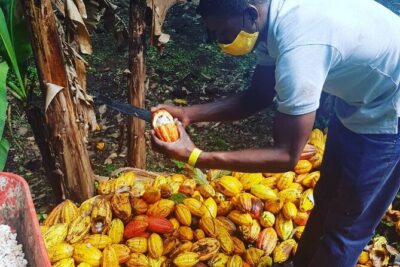

Hotel Chocolat Bean to Bar Experience in St. Lucia
Read our review →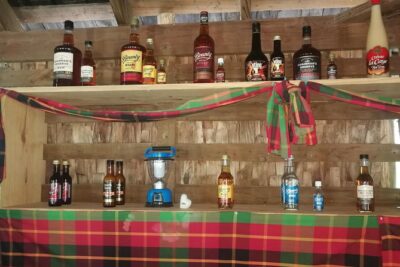
Soufriere Excursion with Rum & Chocolate Tasting
Read our review →
St Lucia Chocolate Making Marigot Bay & Souvenir Shopping
Read our review →
Browse the lists this tour appears in