
Reviewed · CHOCOLATE TOURS
Project Chocolat Bean to Bar Experience from Hotel Chocolat
The best part of this St Lucia experience is getting your hands into the chocolate-making process. You taste pulp straight from a cacao pod, sample Rabot Estate chocolate, then work roasted beans into a bar of your own. I especially like the hands-on work and the way the session connects chocolate with St Lucia’s farming story.
I also like that the activity lasts about an hour, so you can fit it into a busy island day. Guides such as Nathan, Marina, and John have been praised for their humor and clear explanations. The main drawback is that the chocolate-making itself may take only about 20 minutes, with waiting and browsing filling part of the rest of the visit.
Key Points
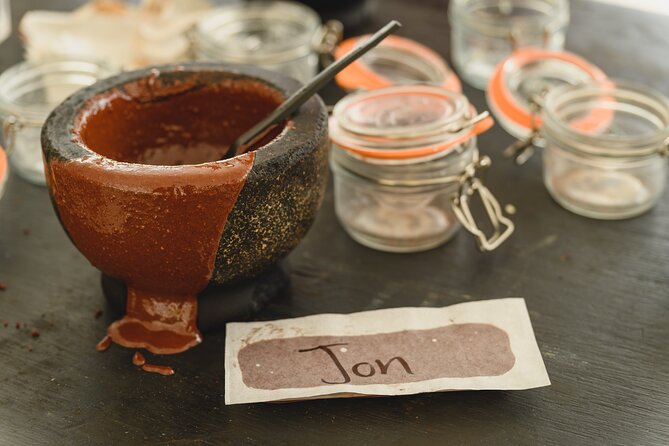
- Taste cacao at its earliest stage: Try fresh pulp from a newly opened pod before it becomes chocolate.
- Make a bar with real effort: The mixing and grinding require some elbow strength, but you take the finished bar with you.
- Expect a short session: The full experience lasts about an hour, while the active making can be much briefer.
- Enjoy a relaxed group setting: Groups can be social, but quiet-season sessions may have only a few people.
- Add lunch or shopping: Food, drinks, gifts, soap, lotion, candles, and extra chocolate can be bought on site.
- Plan your own transport: Transfers from your hotel are not included, and the meeting point is Project Chocolat at Malgretoute.
What Happens at Project Chocolat
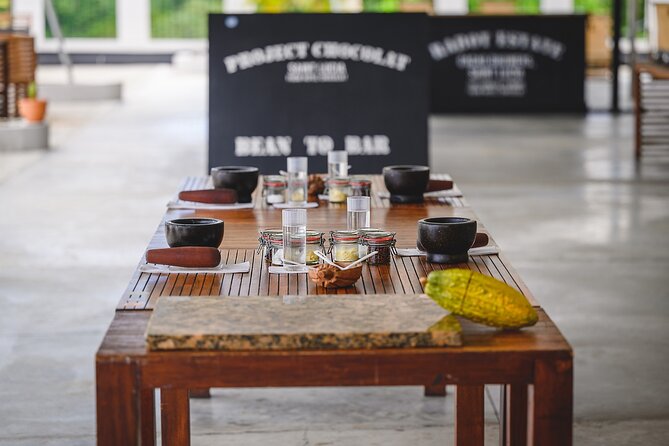
Project Chocolat, operated by Hotel Chocolat, offers a look at chocolate from bean to finished bar without asking you to spend half a day on a major tour. You meet at the Project Chocolat site in Malgretoute, St Lucia, and the activity ends there too.
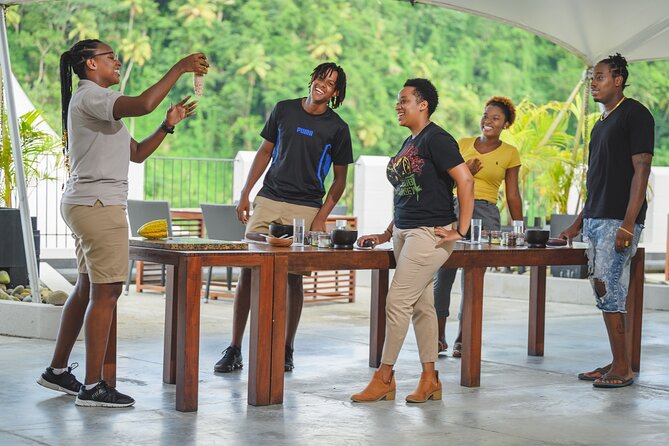
The setting is part of the appeal. You may spend time under a large tent, which is useful in St Lucia’s sudden rain. The grounds are described as small but pleasant, with places to browse and take photos. This is not a vast factory tour, so keep your expectations in check. You are coming for a compact workshop, not a full plantation expedition.
The experience is designed for a maximum of 50 people, though the actual feel may vary. During a quiet period, one couple had the class almost to themselves. At busier times, you may be working alongside a larger group and meeting other people as you go.
Arrive with time to spare. The activity requires prompt arrival, and a late start can mean missing the opening explanation. One poorly timed visit became confusing when a group was moved into an earlier class and missed the first section. That is a useful warning: do not count on being folded neatly into another session.
More cocoa estate and chocolate-making days:
- Project Chocolat Tree to Bar Tour at Hotel Chocolat Saint Lucia
★ 4.5 · 501 reviews - Hot Chocolate Tours St. Lucia
★ 5.0 · 240 reviews - Private Chocolate Making Class
★ 4.5 · 22 reviews
From Cacao Pod to Sweet Pulp
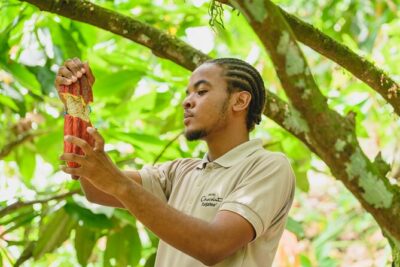
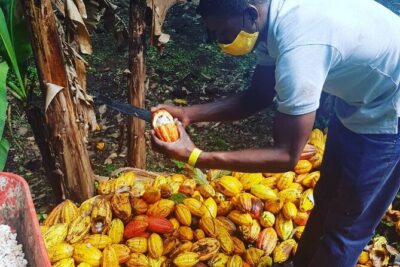
The session begins with the cacao plant and the fruit that produces chocolate. You get to taste the soft pulp inside a freshly cut cacao pod. This is one of the most useful parts of the activity because it separates the fruit from the chocolate bar you already know.
The pulp is not simply liquid chocolate. It has its own taste and texture, and it helps explain how much work comes before roasting and grinding. You also learn about the history of chocolate making and the different steps that turn cacao beans into something smooth and edible.
The short introduction matters because it gives context to the practical work later. A finished bar can seem simple, but the process begins with a fruit that looks nothing like a wrapped confection. If you want a close look at harvesting, ripe pods, drying, or the full estate process, this session may feel limited. That material appears to belong to the longer Tree to Bar tour, which is not included here.
Still, the presentation can be lively. Nathan has been singled out for being funny, welcoming, and clear, while Marina has been praised for making the history easy to follow. John is another guide associated with a strong explanation and a warm manner. Your guide will vary, but the teaching style seems to be an important part of the experience.
Tasting Rabot Estate Chocolate
Before you make your own bar, you taste chocolate from Rabot Estate. This gives you a reference point for the chocolate made at Hotel Chocolat’s St Lucia operation and lets you compare the raw ingredients with the finished product.
The tasting also adds a local angle. You are not simply attending a generic candy class with imported supplies. The emphasis is on cacao connected to St Lucia, and the examples can include chocolate-infused foods served around the property.
The flavors may take a moment to understand. One person found the chocolate unusual at first, while another was surprised by how much they enjoyed it despite not being a major chocolate fan. That is not a warning so much as a reminder that cacao can taste different from the very sweet bars sold in many shops.
The food on site is another reason to allow extra time. Lunch is not included in the Bean to Bar session, but it can be purchased when you arrive. The on-site restaurant has received strong praise for its food and setting, though one visit found the market restaurant expensive and the service process confusing. I would treat lunch as a separate choice, not part of the value calculation for the workshop.
Making Your Own Chocolate Bar
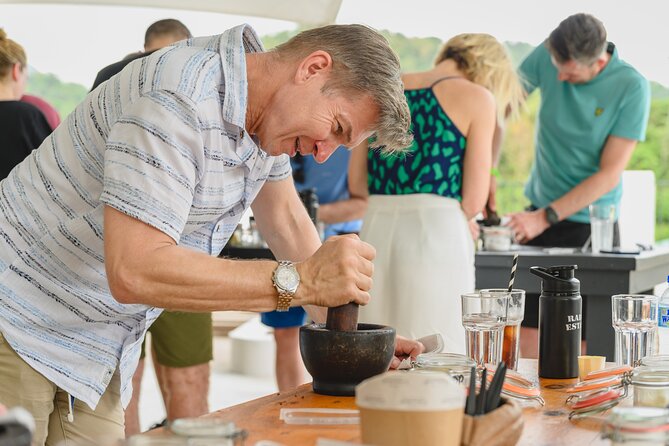
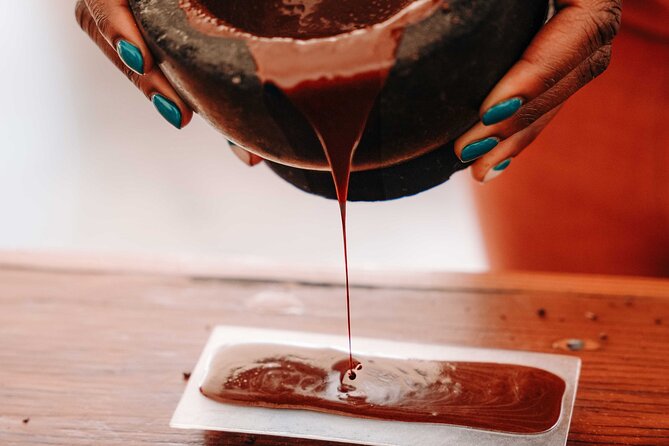
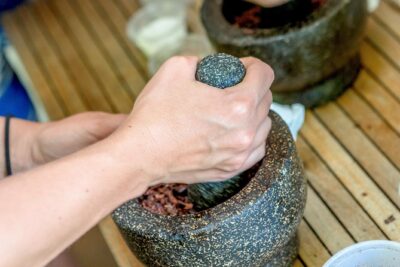
The practical section is the heart of the visit. You work with roasted cacao beans and ingredients, following instructions to make your own bar. The activity is manual, simple enough for beginners, and more physical than the phrase chocolate making might suggest.
You need to mix and work the chocolate until it reaches the right consistency. Several people described this as an arm workout, and one person joked that the task requires plenty of elbow strength. That physical effort is part of the fun. You are not just pressing a mold and waiting for a machine to do the work.
The setup is intended to be easy to follow. Bowls and ingredients are provided at the work station, and the guide explains what to do. You do not need professional cooking skills. The activity works well for families with children aged eight and older, couples, and groups of friends who want something more active than a tasting.
The main limitation is timing. The full experience is advertised at about one hour, but the actual making can take no more than 20 minutes. The rest may include the introduction, tasting, preparation, waiting, and time to browse. That is fine if you want a light activity. It may disappoint you if you expect a long workshop with detailed production demonstrations.
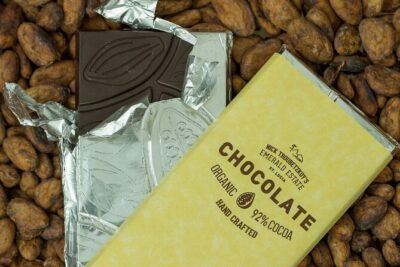
When finished, you have a chocolate bar to take home. Bring a little care to the journey afterward. St Lucia is warm, and one piece of practical advice is to refrigerate the bar once you get home because it can melt. The bar is a tasty souvenir, but do not expect it to survive for long in a hot car or beach bag.
Same corner of the island, a completely different day out:
- St. Lucia Land and Sea Tour
★ 4.5 · 1,730 reviews - ATV Tour in St Lucia
★ 5.0 · 1,021 reviews - St Lucia Customize Private Island Tour
★ 4.5 · 619 reviews - St Lucia Full-Day Catamaran Sightseeing Cruise With Snorkeling
★ 4.5 · 592 reviews
What You Can Do After the Workshop
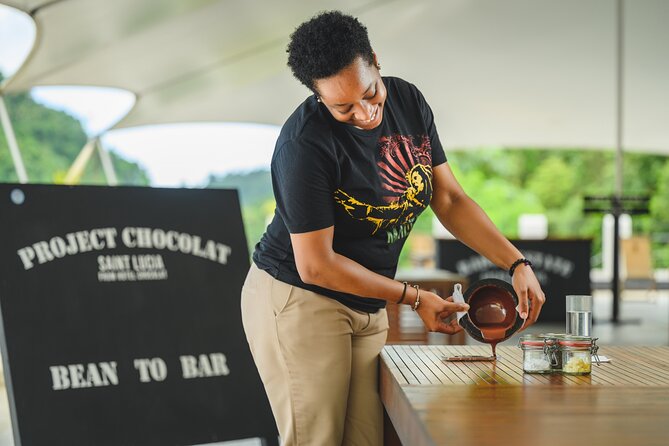
The Bean to Bar session ends where it begins, so you can decide what to do next. You may buy lunch, browse the shop, or purchase more Hotel Chocolat products. The shop can include chocolate, drinks, hand lotion, soap, and candles, giving the visit a wider shopping element than the workshop alone.
The grounds also make room for photos and a slower pause. If your session is short, this extra time helps the visit feel less rushed. If you have come only for the class and do not plan to eat or shop, you may find yourself finished sooner than expected.
The longer Tree to Bar tour is not part of this booking. That distinction is important. The Bean to Bar experience teaches and demonstrates the chocolate process, but it does not give you the full farm-to-production visit. If you want to see more of the estate, ask about the separate tour rather than assuming it is included.
Is the $69 Price Good Value?
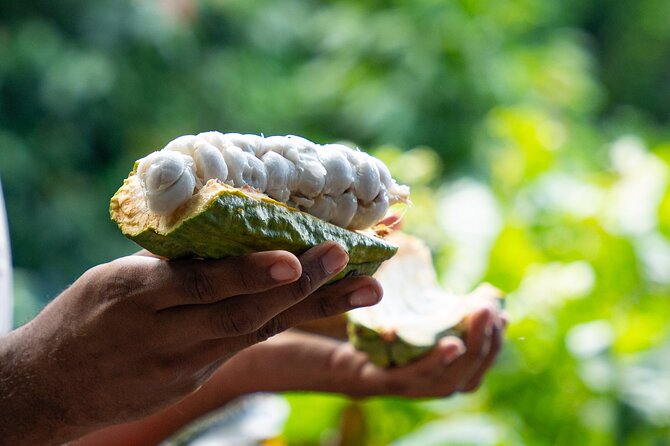
At $69 per person, this is not a bargain snack stop. You are paying for a hosted activity, ingredients, instruction, tastings, and a chocolate bar to take home. You also gain access to a Hotel Chocolat property where you can add food or shopping, though those extras cost more.
I think the price works best when you value the setting and the story as much as the finished bar. The activity gives you a better sense of the effort behind chocolate, and the hands-on element makes it more memorable than simply buying a box in a shop.
The value is weaker if you judge it by active workshop time alone. The making may take roughly 20 minutes, and the site is not a large production facility open for a detailed factory tour. Some products in the shop may also feel expensive, including a 70-gram bar priced at $10 according to one account.
For a couple, anniversary, birthday, or family outing, the price can make sense as a special island activity. For a solo visitor looking only for the cheapest taste of local chocolate, it is harder to justify.
Who Should Book This Experience?
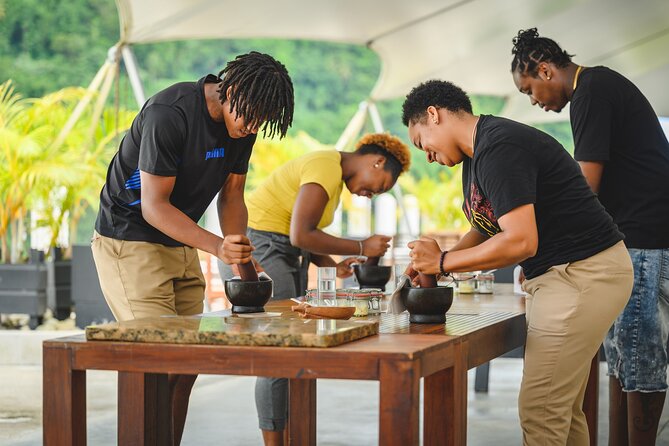
I would recommend it to families with children aged eight and older, couples, cruise or resort visitors with a free hour, and anyone who enjoys food workshops. It is also a good choice when rain makes outdoor plans less appealing, since much of the activity can take place under a large tent.
It suits you if you like meeting people in a small group and learning through simple physical tasks. The guides are a major part of the appeal, with Nathan, Marina, and John all noted for humor, warmth, and clear instruction.
You may want another option if you need hotel pickup, dislike waiting, or want a full account of cacao farming and production. Transportation is not included, and the activity does not include the Tree to Bar tour. You will need to arrange your own way to Project Chocolat in Malgretoute.
The session is not suitable for children under eight. It is also weather dependent and may be canceled if conditions are poor or if the minimum number of participants is not reached. In either case, a different date or a full refund is offered.
Timing, Transport, and Useful Planning Tips
The scheduled experience lasts about one hour, but allow extra time if you want lunch, shopping, or photos. You should also allow enough time to reach the meeting point because late arrival can affect what you see at the start.
There is no included transfer from your hotel or other destination. The start and finish point is Project Chocolat, Unnamed Road, Malgretoute, St Lucia. Confirm your transport plan before booking, especially if you are relying on a driver or a tight schedule.
The experience uses a mobile ticket, and booking confirmation is provided at the time of booking. The group can hold up to 50 people. In quieter periods, the class may be much smaller, which can make the instruction feel more personal.
Free cancellation is available up to 24 hours before the local start time. Within 24 hours, the booking is not refundable and changes are not accepted. That matters if your island plans depend on weather or a delayed driver, so keep the cancellation deadline in mind.
Final Recommendation: A Sweet Short Stop
Book the Bean to Bar Experience if you want a friendly, hands-on introduction to St Lucia’s cacao and a souvenir you helped make. The fresh pulp tasting, Rabot Estate chocolate, lively guides, and manual work give the hour real character.
Go in knowing what it is: a compact chocolate workshop, not a full plantation tour or factory visit. If you want a longer look at farming and processing, add or choose the separate Tree to Bar option. If you have only a small opening in your schedule, enjoy chocolate, and do not mind paying for a hosted experience, this is a worthwhile addition to a St Lucia day.
FAQ
How long does the Bean to Bar Experience last?
The experience lasts approximately one hour.
Where does the experience start and finish?
It starts at Project Chocolat, Unnamed Road, Malgretoute, St Lucia, and ends back at the same meeting point.
Is transportation included?
No. Transportation from your hotel or other destination is not included.
Is lunch included?
No. Lunch is not included in the Bean to Bar Experience, but it can be purchased on arrival.
Is the Tree to Bar tour included?
No. The Tree to Bar tour is a separate experience and is not included in the Bean to Bar booking.
Can children take part?
Children must be at least eight years old to participate.
What will I make during the activity?
You will learn how roasted cacao beans become chocolate and make your own chocolate bar to take home.
What is the cancellation policy?
You can cancel up to 24 hours before the experience start time for a full refund. Cancellations or changes made within 24 hours are not accepted and are not refunded.
Just added around St Lucia
- Private Guided Piton Hiking and Mud Bath Experience★ 5.0 · 5 reviews
- UVF Private Luxury Transport Service in St Lucia (Round Trip)★ 5.0 · 10 reviews
- St Lucia Transport from Hewanorra Airport Private Transfer★ 5.0 · 5 reviews
- iRide Caribbean 50cc Scooter Rental★ 5.0 · 18 reviews
- Hewanorra Airport Private Transfers (UVF)★ 3.5 · 3 reviews
- Fast Track On Arrival at St Lucia Airport & Round Trip Transfer★ 5.0 · 24 reviews
- Hewanorra (UVF) Private Airport Transfer (one way)★ 5.0 · 6 reviews
- Treetop Canopy Adventure★ 4.5 · 8 reviews
Chocolate Tours, compared.
Project Chocolat Tree to Bar Tour at Hotel Chocolat Saint Lucia
Read our review →
Hotel Chocolat Bean to Bar Experience in St. Lucia
Read our review →
Soufriere Excursion with Rum & Chocolate Tasting
Read our review →
St Lucia Chocolate Making Marigot Bay & Souvenir Shopping
Read our review →
Browse the lists this tour appears in