
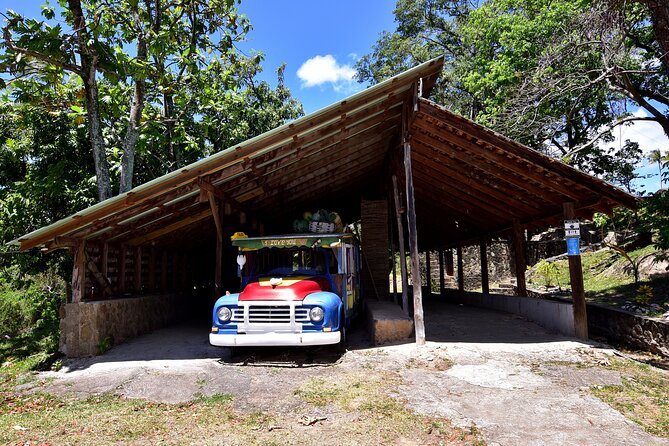
Reviewed · FOOD & DRINK
Historical 18th Century Estate Tour with Coconut Tasting
Morne Coubaril’s best trick is turning ordinary island ingredients into a hands-on history lesson. You watch a coconut get opened by hand, taste cocoa before it becomes chocolate, see sugar cane crushed by a donkey-powered mill, and walk through replica huts and gardens near Soufriere.
I like the fresh tastings, especially coconut water, coconut jelly, cocoa beans and cane juice. I also like the small working demonstrations, which show how much labor once went into food production. The main caution is that the tour’s timing is not perfectly clear: some details describe 30 minutes, while the fuller program is described as about an hour. Guide quality can also vary.
Key points to know before you go
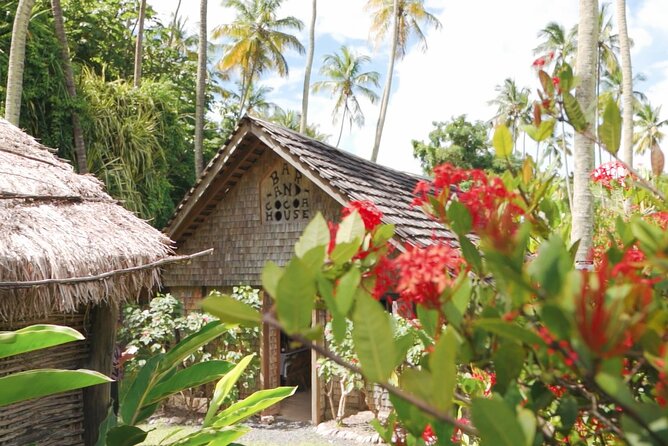
- Coconut is the star: See dehusking, copra drying and coconut preparation, then taste fresh water and jelly.
- Cocoa is shown before chocolate: Watch fermentation, drying, polishing and grinding, and sample a ripe cocoa bean.
- The estate mixes history and scenery: Visit replica stick huts, the medicinal herb garden and the Monplaisir family house.
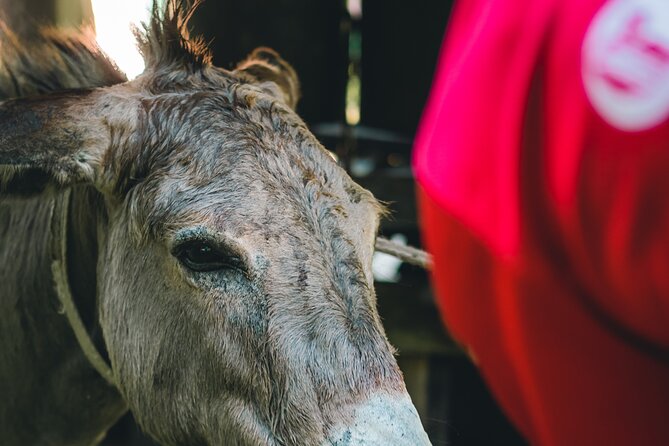
- A donkey powers the sugar mill: The old-style mill demonstration ends with a taste of fresh cane juice.
- The price is modest: At $12 per person, the included entrance and guide make this a useful short stop near Soufriere.
- Plan for walking: The tour is not recommended for people with walking difficulties or visual impairments.
A working estate, not just a pretty garden
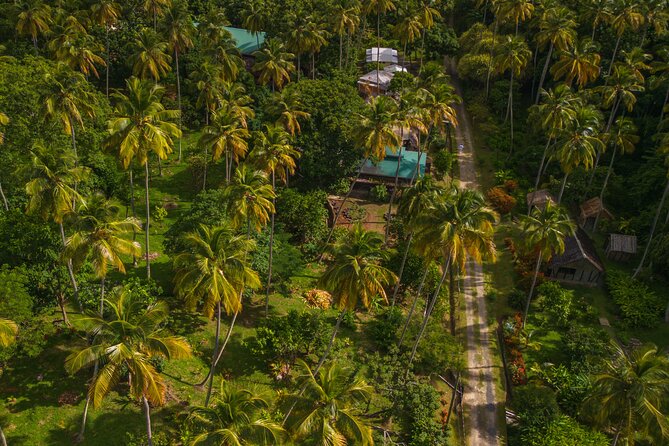
Morne Coubaril Estate gives you a quick look at how an 18th-century St Lucian property may have worked. The experience is part open-air museum, part food demonstration, and part botanical walk.
You begin at the estate in Soufriere, meeting your guide at the stated meeting point. The grounds include gardens, historic buildings, replica homes and working demonstrations. The tour ends where it begins, so you do not need to arrange a separate pickup point.
The property’s history is presented through daily work. Sugar, cocoa, coffee and coconut were not simply crops in the background. They had to be harvested, opened, dried, fermented, ground or pressed by hand. That practical focus makes the visit more useful than a tour that only points out old walls and dates.
The setting also gives you a chance to slow down. You are not racing from one major sight to another. Instead, you move through a compact estate, stopping to see a plant, a tool, a building or a food product.
More heritage stops around St Lucia:
- Nature & Historical Horseback Riding Tours St. Lucia
★ 4.5 · 54 reviews - Essence of St Lucia Heritage Experience
★ 5.0 · 5 reviews
Replica huts and the story of island life
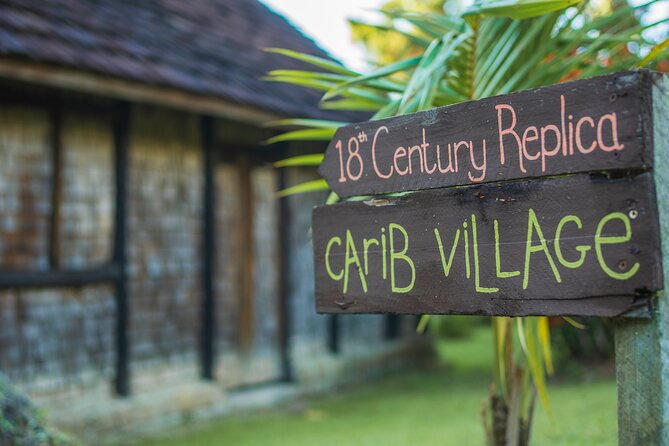
One early stop is the small village of replica stick huts. These structures represent the homes used by island inhabitants in the 1700s. They help you picture daily life in a way that a formal house alone cannot.
Keep your expectations realistic. These are replicas, not untouched historic homes, and one past account found the presentation too polished and artificial. Still, the huts have value when your guide explains how people lived and how the estate community was organized.
The best guides make this part feel personal and practical. Natasha, Jonathan, Noelita and Sendyann are among the guides identified by name during visits, with Natasha receiving especially strong praise for explaining St Lucia’s plants, culture and plantation life.
Ask questions here if your guide leaves room for them. The tour can feel much more alive when you ask what a hut was used for, how many people might have shared it, or how estate work shaped village life. The supplied information does not give exact answers to those questions, so your guide is the right person to ask on site.
Gardens, useful plants and the medicinal herb stop
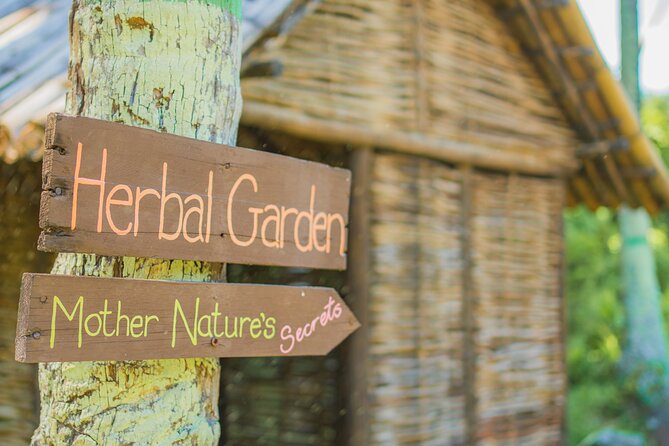
The walk continues through gardens filled with native plants, trees and other island vegetation. This is not a formal botanical course, but it adds welcome local detail to the estate visit.
The medicinal herb garden is especially worthwhile. You learn how certain plants were used to treat illness and injuries. Guides have also offered tastes of herbs, basil, tamarind and other local items during the walk.
I like this part because it links the scenery to daily life. You are not just looking at tropical plants. You are learning why some of them mattered to families living and working on the estate.
The gardens also give you a break from the demonstrations. Bring sensible footwear, since the visit involves walking around the property. The tour is not recommended for people who have difficulty walking, and it is also not recommended for people with visual impairments.
The Monplaisir family house
The Monplaisir family estate house is the grandest building on the route. It serves as the architectural centerpiece of the property and gives you a contrast to the smaller village huts.
This is where the social divisions of an old estate become easiest to picture. The house represents the family at the center of the property, while the replica huts show a much simpler side of estate life.
Do not expect a long interior-house visit based on the available details. The house is presented as one stop within a short guided route, not as a full museum tour. Its value comes from seeing it in relation to the huts, gardens and production buildings.
More food and tasting tours in St Lucia:
- St. Lucia Food and Rum Tour – Taste authentic St. Lucian Food and Culture
★ 5.0 · 204 reviews - St Lucia Rum Tasting and Tour
★ 4.5 · 91 reviews - Rodney Bay Food Tour by LUCIAN FOOD TOURS
★ 5.0 · 76 reviews - Flavors of St Lucia Culinary Experience
★ 5.0 · 41 reviews
Coconut dehusking and the freshest tasting
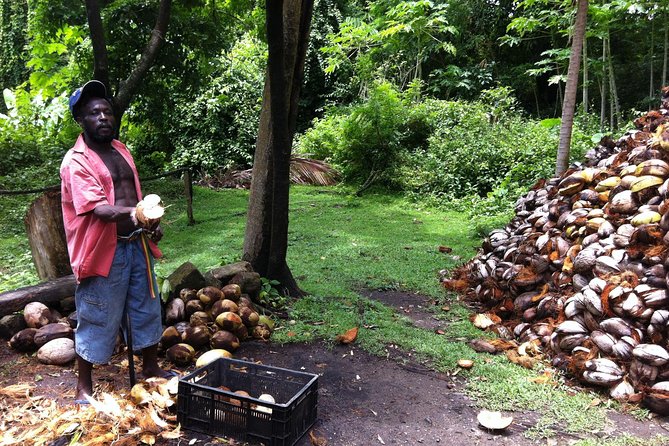
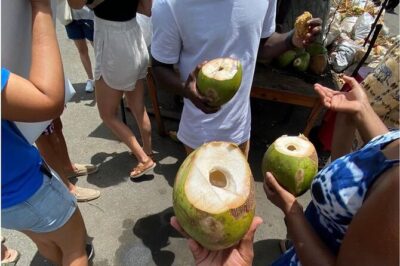
The coconut demonstration is one of the clearest reasons to book this experience. A skilled worker shows how to remove the husk by hand, a task that looks simple until you see how much force and precision it takes.
You also learn about drying coconut meat into copra and how an oven was used in the process. The demonstration connects the finished food product to the labor behind it.
Then comes the tasting. You can sample coconut water and the soft coconut jelly inside a fresh nut. Some visits have also included coconut meat and coconut candy.
This is a good stop for families, since the action is easy to watch and the tasting gives children something immediate to remember. Children must be accompanied by an adult, and the group can be large, with a stated maximum of 100 people. If your group is crowded, move closer before the demonstration begins so you can see and hear.
Cocoa before it becomes chocolate
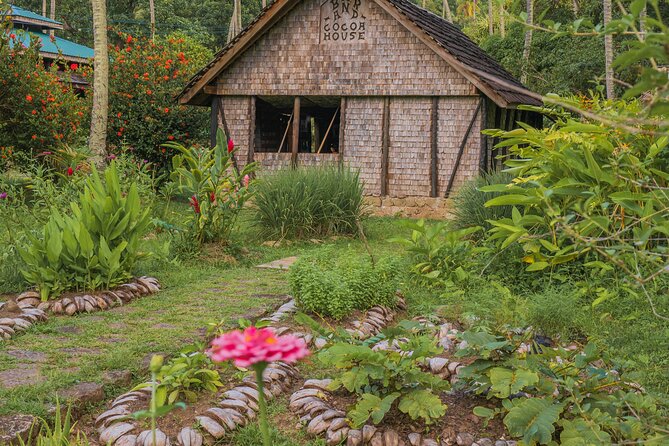
The cocoa and coffee house is the most educational stop for anyone who thinks chocolate begins at a factory. Here, you see the stages that come first: fermentation, drying and polishing.
The cocoa dance is the eye-catching part. It is a traditional method of polishing the beans by moving over them, and it shows how hands-on the work once was. You may also see cocoa being ground and taste a ripe raw cocoa bean.
A raw cocoa bean does not taste like a finished chocolate bar. That difference is useful. It helps you understand that chocolate depends on several later steps, including drying, processing and grinding.
The tasting may include cocoa beans, cocoa nibs or ground cocoa, depending on the presentation. Guides such as Natasha and Jonathan have been singled out for explaining this process clearly, while Vincia has been praised for giving visitors time to sample several local foods.
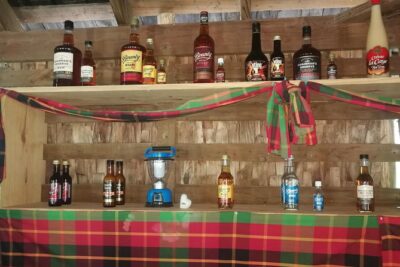
If you want a chocolate tasting with multiple finished chocolates and rum, confirm the option before booking. The basic historical tour centers on raw cocoa and processing demonstrations. Rum and chocolate tastings may be separate activities and can cost extra.
The mule-driven sugar cane mill
The final working demonstration is the traditional sugar cane mill. A donkey, sometimes identified as Noel, operates the equipment while the cane is crushed.
The machinery gives you a direct sense of old estate work. Sugar production required animals, equipment and repeated physical effort. The fresh cane juice is the reward at the end.
This is a simple demonstration, but it rounds out the food story. Coconut, cocoa and sugar are shown in different forms, from raw plant material to something you can drink or eat.
Some people may find the pace slow, especially if the guide gives a long explanation before each step. Others will appreciate the chance to see machinery in use rather than only viewing a static display. The experience works best if you enjoy process and history more than fast entertainment.
How much time should you allow?
The booking details describe the main activity as approximately 30 minutes, while the fuller tour description calls it a one-hour visit. Individual visits have also lasted longer when lunch or extra tastings were added.
For planning, I would avoid scheduling a tight connection immediately afterward. The stated start time is 9:00 a.m., and the activity finishes back at the meeting point, but the exact pace can depend on the group and demonstrations.
The historic tour itself does not include lunch. Food may be available at the estate as a separate purchase, but do not assume it is part of the $12 price. Past meals have received mixed reactions, so treat lunch as an optional extra rather than the reason to choose this tour.
Is $12 a good value?
At $12 per person, this is an inexpensive way to add local history to a day around Soufriere. The price includes the entrance fee and a local guide, along with the estate walk and the demonstrations described above.
You are getting more than a quick photo stop. The tour covers buildings, gardens, plants, cocoa, coconut, coffee and sugar cane. The tastings also give you a feel for island produce that you may not encounter in the same form elsewhere.
The value depends on your expectations. If you want a polished museum with extensive original artifacts, you may find the replica huts and short format limited. If you want an affordable, easy introduction to estate life and food production, the price is hard to fault.
The maximum group size is listed as 100, so the experience may not always feel intimate. Ask to stand near the guide during demonstrations, especially at the coconut and cocoa stops.
Who will enjoy this estate tour?
I would recommend it to families, cruise passengers, first-time visitors to St Lucia and anyone already spending time near Soufriere. It fits well into a day that includes other sights because it is short and ends at its starting point.
It is also a good choice if you enjoy tasting local food but want some context first. Fresh coconut water is more memorable when you have just seen the difficult work of opening the nut. Cane juice means more after watching the animal-powered mill.
People who prefer detailed architecture, long historical talks or original preserved interiors may want a longer museum visit instead. The tour is active and varied, but it is not a deep academic study of St Lucia’s colonial period.
Rain can affect the experience. Much of the visit takes place outdoors, and umbrellas or rain protection may not always be available. Pack light rain gear if the forecast looks unsettled.
Booking, cancellation and practical details
You receive confirmation at booking, and a mobile ticket is provided. The meeting point is Morne Coubaril Historical Adventure Park at Morne Coubaril Estate, St Lucia. Hotel pickup and drop-off are not included, so you need to arrange your own transport.
The estate is near public transportation. Children must have an adult with them, and the tour is not recommended for people with walking difficulties or visual impairments.
Free cancellation is available if you cancel at least 24 hours before the local start time. Cancellations made within 24 hours are not refunded, and late changes are not accepted.
Should you book Morne Coubaril Estate?
Book this tour if you want a low-cost, short introduction to St Lucia’s estate life with real demonstrations and local tastings. The coconut opening, raw cocoa, medicinal plants and donkey-powered mill give the visit plenty of character for the price.
I would book it with realistic expectations. Guide quality can shape the experience, and some presentations may feel scripted or rushed. If you can, ask questions and stay close during the demonstrations. Guides such as Natasha, Jonathan, Vincia, Noelita and Sendyann have shown how much better the tour becomes when the storytelling is warm and engaged.
Skip it if you dislike replica displays, outdoor walking or demonstrations that move at a measured pace. For most visitors near Soufriere, though, $12 buys a useful hour, several unusual tastes and a clearer picture of the work behind the island’s food.
FAQ
How much does the Morne Coubaril Estate tour cost?
The tour costs $12 per person. Entrance fees and a local guide are included.
How long does the estate tour last?
The information gives two timings: approximately 30 minutes for the activity and about one hour for the guided estate visit. Allow extra time so you are not rushed.
What will I taste during the tour?
You may taste coconut water, coconut jelly, coconut meat, cocoa beans and fresh sugar cane juice. Some visits also include items such as coconut candy, cocoa nibs, tamarind or herbs.
Is lunch included?
No. Lunch is not included in the tour price. Food may be available to purchase separately at the estate.
Where does the tour start and finish?
The tour starts at Morne Coubaril Historical Adventure Park at Morne Coubaril Estate in St Lucia. It ends back at the meeting point.
Can I cancel for a refund?
Yes. You can receive a full refund if you cancel at least 24 hours before the experience start time. Cancellations within 24 hours are not refunded.
Just added around St Lucia
- Private Guided Piton Hiking and Mud Bath Experience★ 5.0 · 5 reviews
- UVF Private Luxury Transport Service in St Lucia (Round Trip)★ 5.0 · 10 reviews
- St Lucia Transport from Hewanorra Airport Private Transfer★ 5.0 · 5 reviews
- iRide Caribbean 50cc Scooter Rental★ 5.0 · 18 reviews
- Hewanorra (UVF) Private Airport Transfer (one way)★ 5.0 · 6 reviews
- Hewanorra Airport Private Transfers (UVF)★ 3.5 · 3 reviews
- Fast Track On Arrival at St Lucia Airport & Round Trip Transfer★ 5.0 · 24 reviews
- Treetop Canopy Adventure★ 4.5 · 8 reviews
Food & Drink, compared.
St. Lucia Food and Rum Tour – Taste authentic St. Lucian Food and Culture
Read our review →

Castries Market Walking Food Tour by LUCIAN FOOD TOURS
Read our review →
Soufriere Excursion with Rum & Chocolate Tasting
Read our review →Browse the lists this tour appears in